
Perceive.
Robots that sense the spaces they work in and the people around them.
Perceive. Think. Act.
Building autonomous robotic systems that perceive, think, and act — transforming real-world challenges into intelligent solutions.
ORBIT — in service, live dining environment
Scroll01Our Mission
Celestial Beings develops intelligent robotic systems that assist people and solve real problems — across industries and environments, on land and on water.
We design, build and test physical machines. Our work starts with a real need, moves through engineering and prototyping, and is proven where it matters: in the environments robots are meant to serve.
Robots that sense the spaces they work in and the people around them.
Onboard software that turns what the robot senses into decisions.
Physical machines that move, carry and assist in the real world.
02Our Robotics
From a serving robot already demonstrated in a dining hall to programmes still on the engineering bench — each system is labelled with where it stands today.
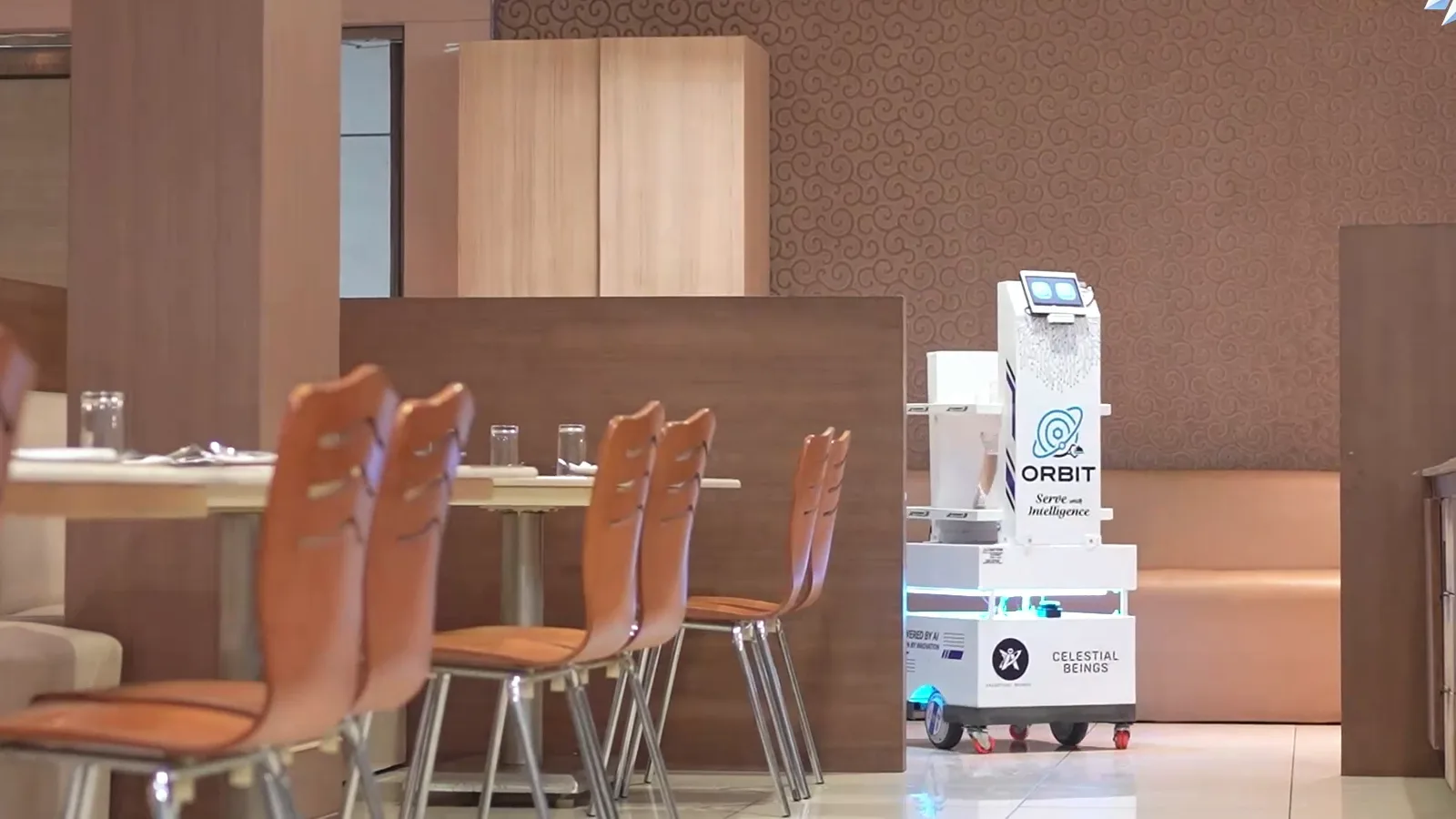
Food Serving Autonomous Mobile Robot
A restaurant-oriented autonomous mobile robot that carries orders through dining spaces and hands them to guests at the table.
Explore ORBITAn autonomous mobile robot project exploring material movement and mobile robotic capability for industrial environments.
Explore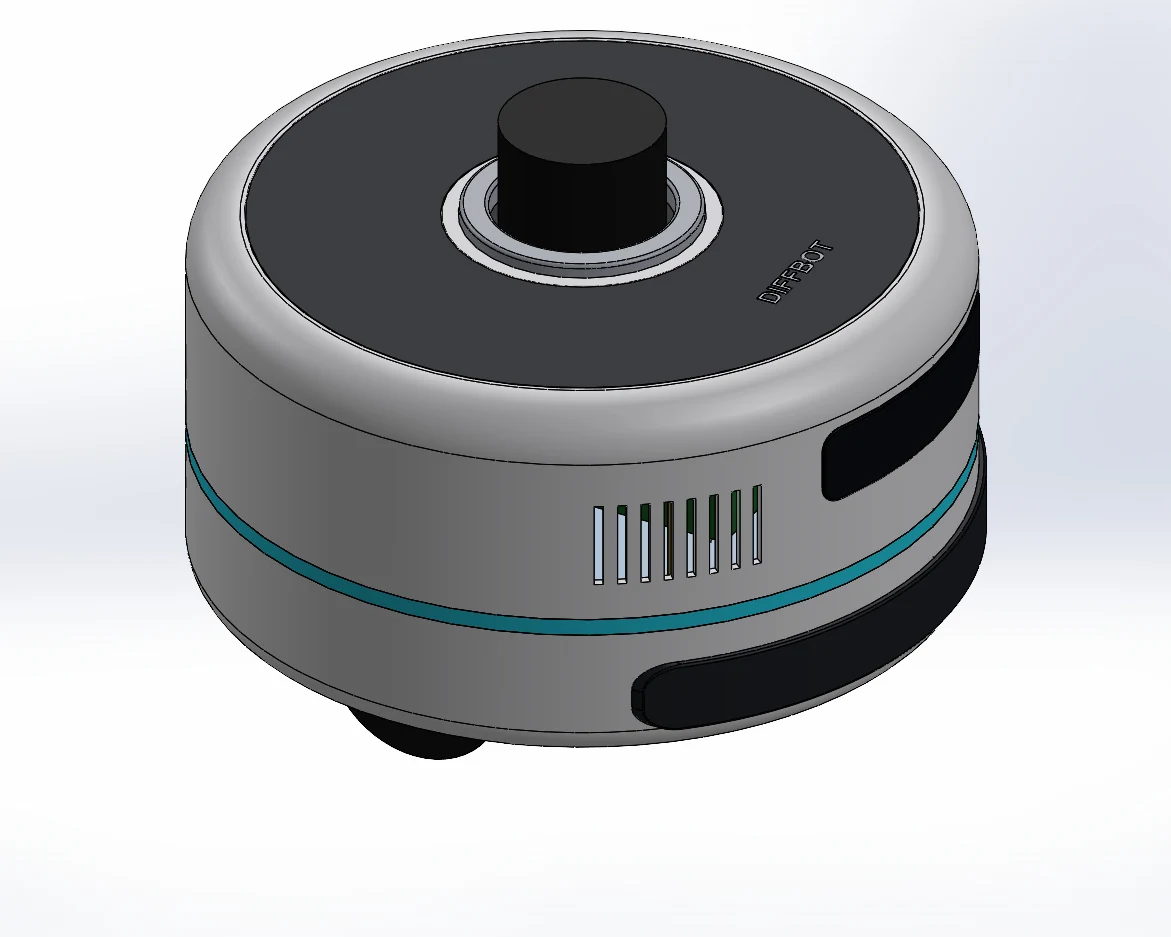
Robotic systems designed for hands-on learning, experimentation and robotics education in schools and colleges.
ExploreRobotics initiatives for water-based environments, including autonomous lake-cleaning and environmental applications.
Explore03Intelligence in Action
Every frame below is taken from ORBIT's own development and service footage — no renders, no simulations.
Platform, interface, onboard software and serving hardware.
ORBIT crossing a working dining floor between tables, chairs and people.
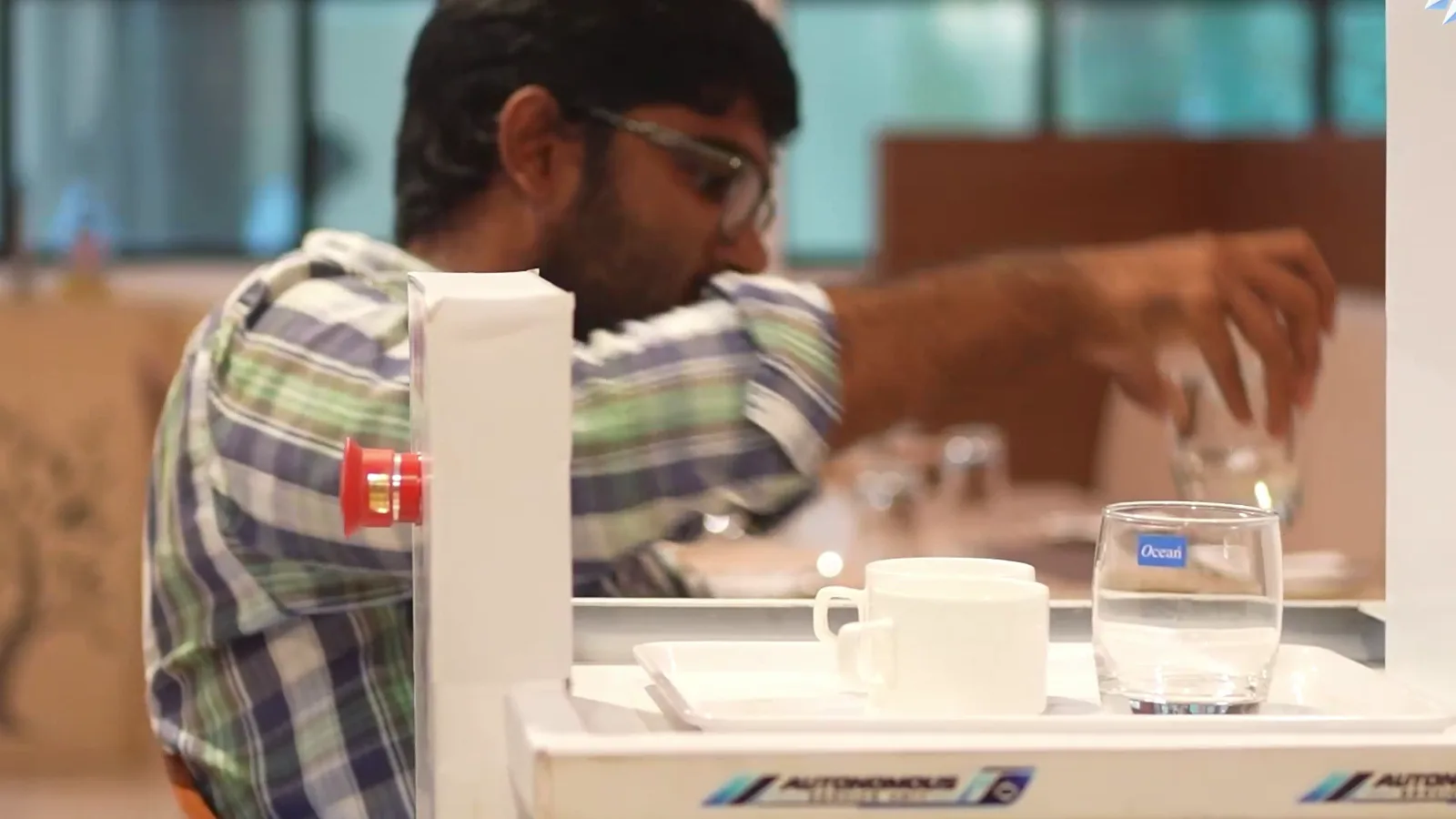
Guests collect their order directly from the open serving trays.
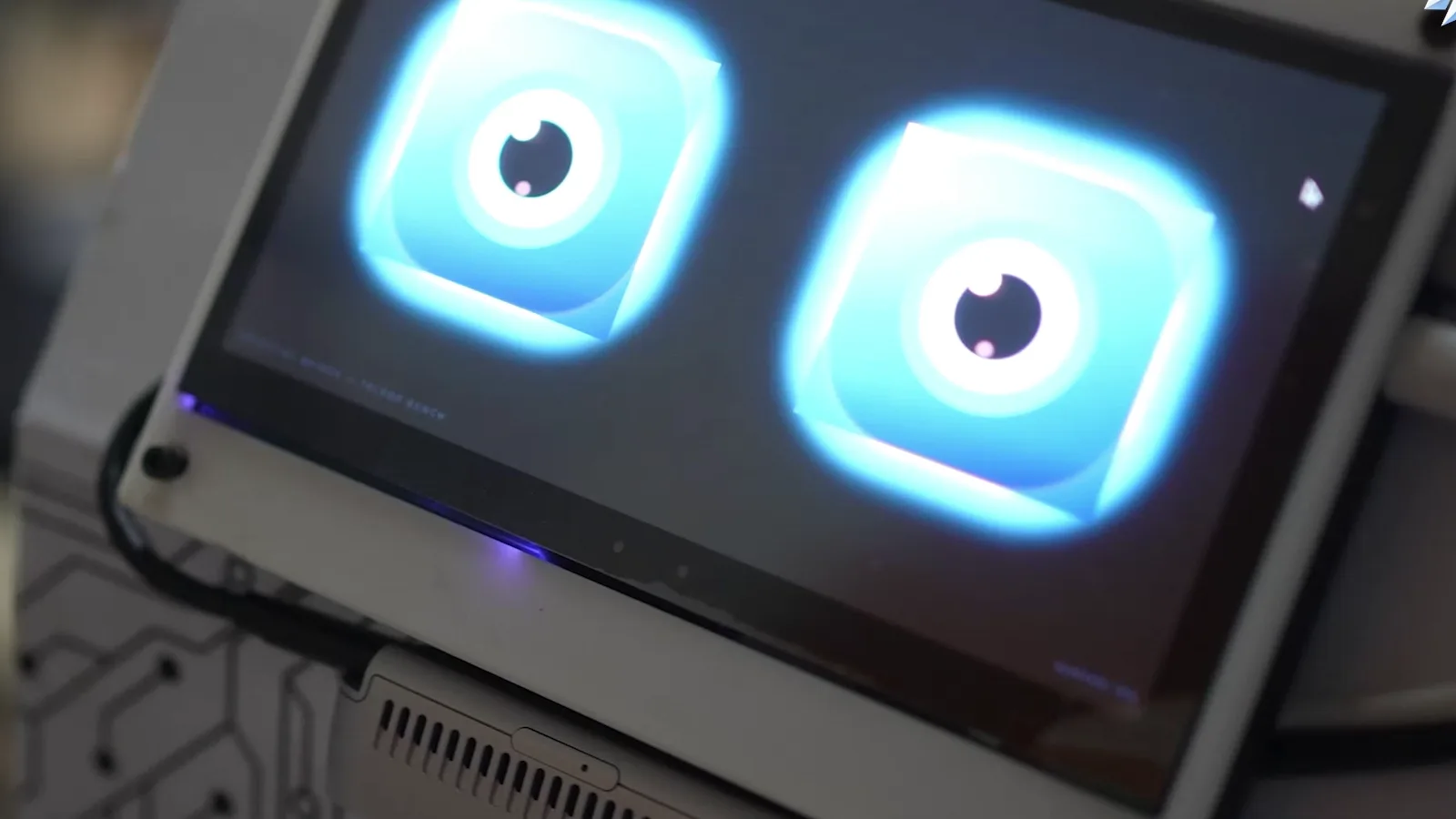
An expressive face display gives the robot a clear, readable presence.
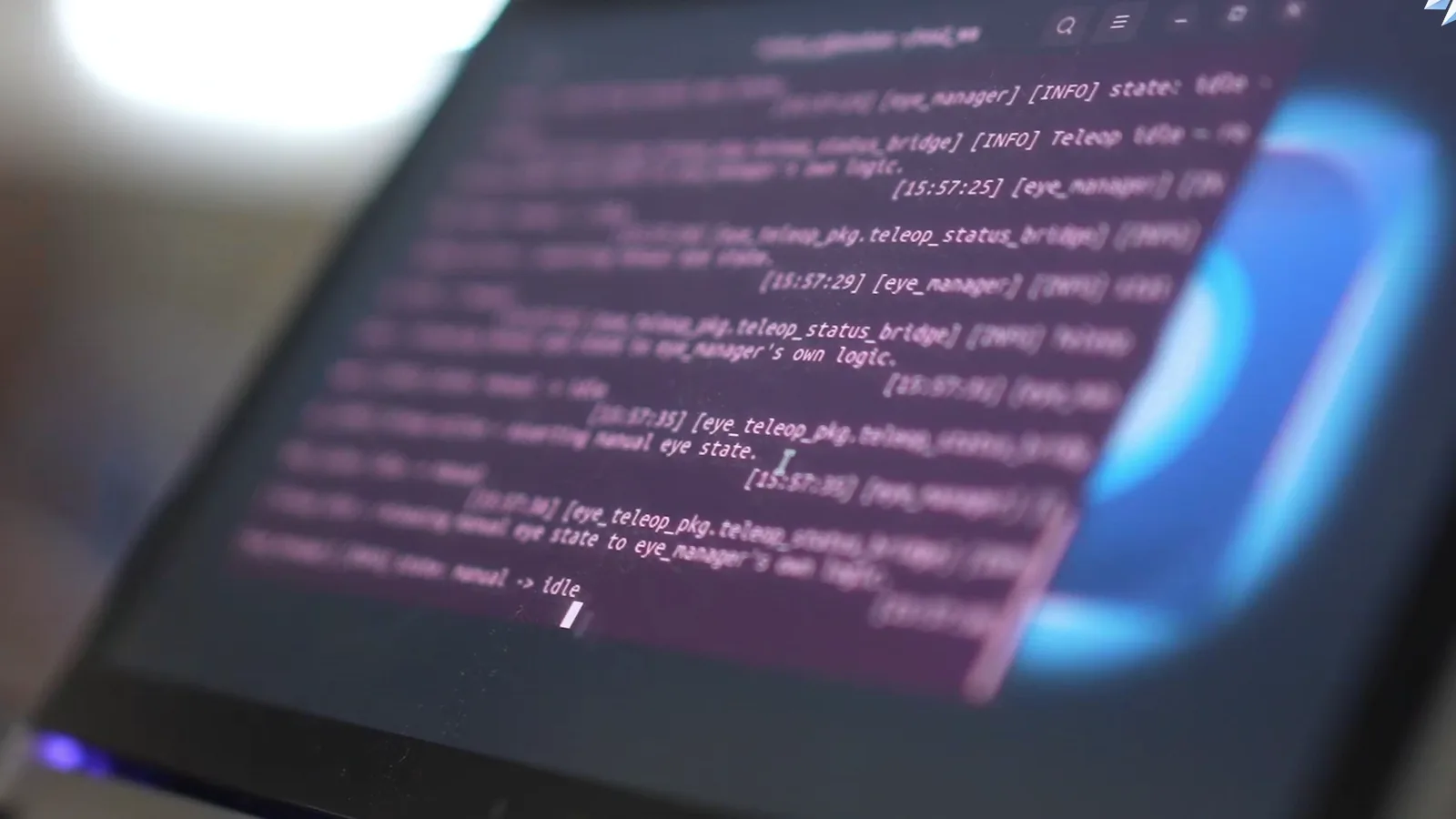
The software stack runs on an onboard Linux computer, logged live in development.
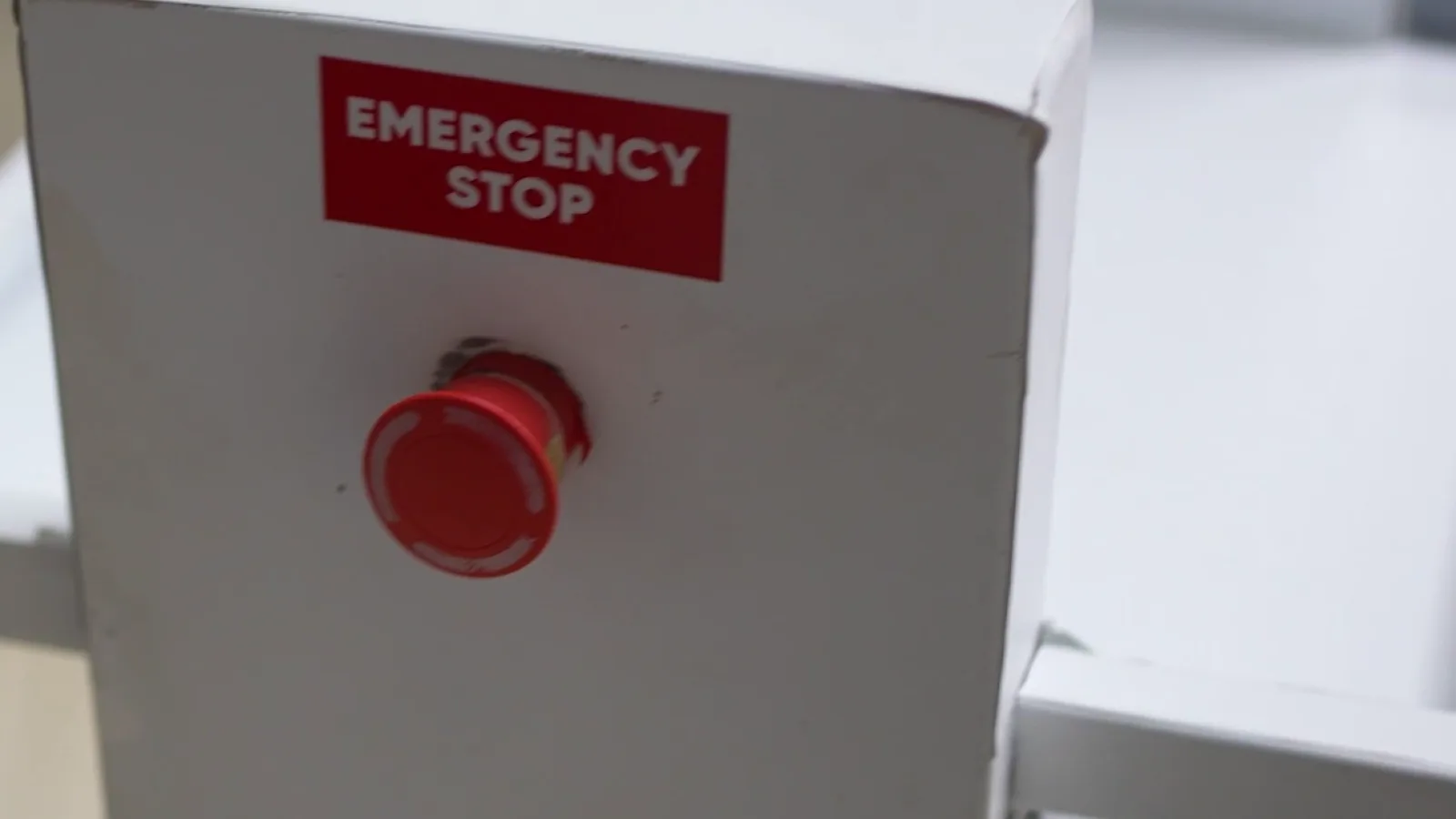
A physical emergency stop sits within reach on the robot's column.
04Beyond Land
Our marine and environmental robotics programme looks past the factory floor and the dining hall — toward lakes, waterways and the challenges they face.
Research & developmentExploring how autonomous platforms can operate on the surface of water.
Investigating robotic systems that help collect surface waste from lakes.
Applying robotics to environmental challenges where people can't easily operate.
05Our Vision
We build robots to work alongside people — taking on repetitive and physically demanding tasks, improving productivity, and helping address real challenges in the physical world.
Autonomous Robotics. Real-World Impact.
